


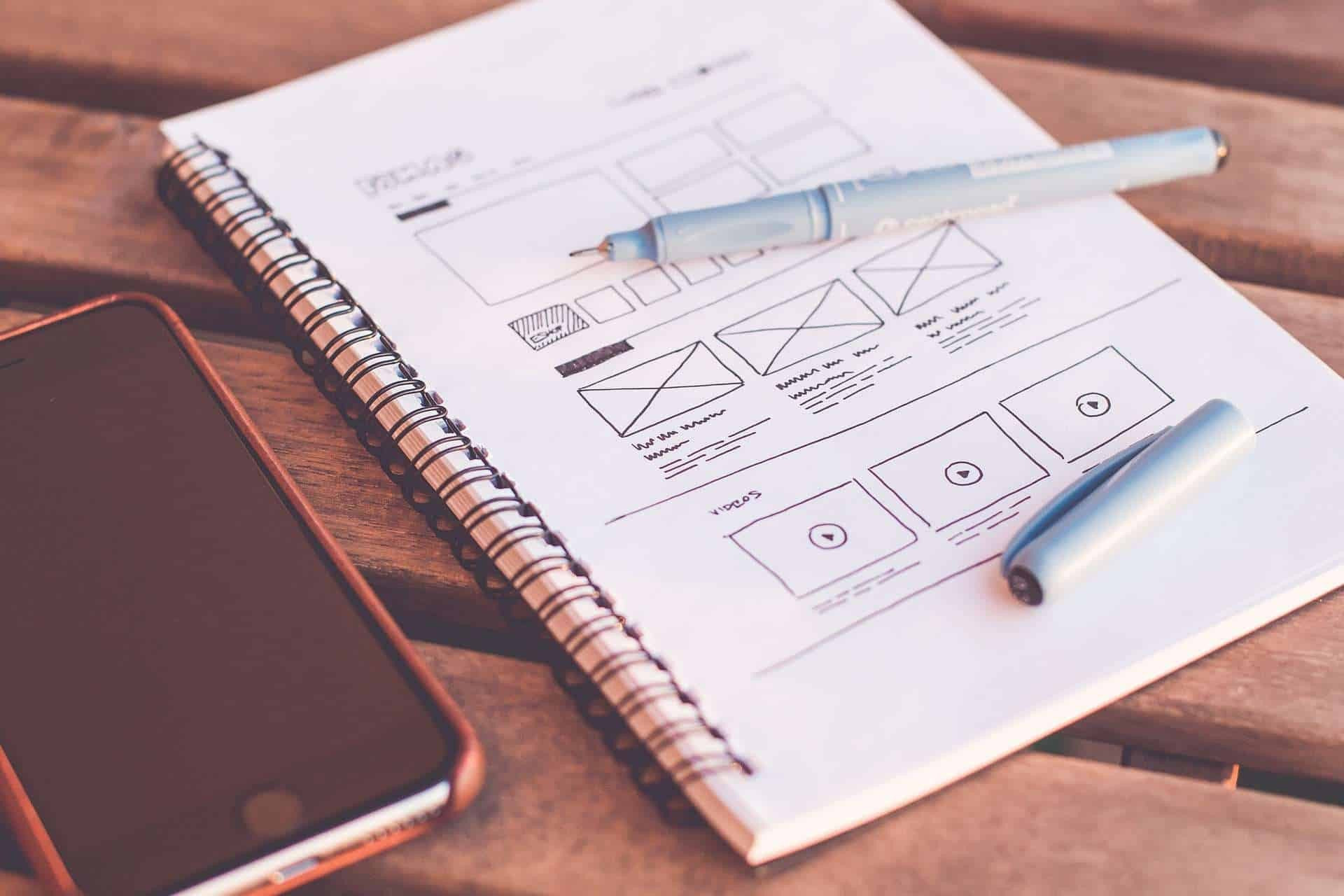

Effective web design is not about the “ooh” and “ahh” when you show it to friends. It is about whether visitors find what they need, trust what they see, and take the next step. Here are three strategies that make a site work as a conversion tool, whether the visitor is on a phone, a laptop, or asking an AI assistant for a recommendation. For the bigger picture on credibility and long-term growth, see our companion post on how web design helps your business grow.
Information needs to be accessible
Whatever you want visitors to know has to be seen, quickly. Put your phone number, email, and primary navigation where people expect them: the header, and repeated in the footer. Add your address and a map if you serve a physical location. Keep forms, CTA buttons, and menus in clearly visible spots, and make sure all of them are easy to use with a thumb on a small screen.
Think of the experience as a well-run restaurant, where everything arrives where you expect it, explained with intent. People want answers fast, so anything you want them to consume should sit where they would naturally look for it.
Accessibility is part of this, not a bonus. Use semantic HTML first, with ARIA only where native elements fall short. Check color contrast, give every interactive element a visible focus state, label your form fields, and write useful alt text. The WCAG guidelines are the standard to measure against, and accessible sites tend to convert better because they are easier for everyone to use.
Clear structure also helps AI search. Answer engines pull from pages with plain headings, direct answers, and well-organized information, so the same clarity that helps a visitor helps your content get cited.

Call-to-action buttons need to stand out
“Make it pop” is a tired phrase, but for CTAs the instinct is right. Visitors may be well informed and still need a clear nudge toward the next step, whether that is a contact form, a product page, a booking link, or a sign-up.
A strong CTA is easy to see, easy to tap, and specific about what happens next. “Get a quote” or “Book a consultation” beats “Submit.” Choose a color from your brand palette that contrasts with the area around the button, and keep tap targets large enough for mobile. Limit each section to one primary action so visitors are not chasing competing buttons.
Then measure it. Track clicks and form submissions in GA4, watch where people drop off, and test one change at a time. If you want help turning those findings into a testing program, that is what our conversion rate optimization work is for.
Good design helps visitors find their way
Early websites were mazes. Today the best sites win on simplicity: a clean layout, a clear visual hierarchy, and navigation that gets people to the right page in a click or two. Simple does not mean generic, though. Your design should carry your brand personality and build trust, and a template dropped in without thought can drive visitors away just as fast as clutter.
Use hierarchy and white space to draw the eye to what matters most. On ecommerce sites, make sure shoppers can move forward and back easily, filter products, and search.
Performance is part of design. Google measures Core Web Vitals: Largest Contentful Paint (loading), Interaction to Next Paint (responsiveness), and Cumulative Layout Shift (visual stability). Heavy animation, oversized images, and layout jumps hurt all three. Keep motion purposeful, compress and size images properly, reserve space for media so the page does not shift, and test on real mid-range phones, not just your desktop. Slow pages lose visitors before the design ever gets a chance, which also shows up in your bounce rate.
Looking for a web design partner? Talk to our web design team about a site built to convert.



Comments
Join the conversation